



 English
 Chinese
 Japan
Japan German
News

Selection and Maintenance Strategies for Aluminum Bending Equipment
Aluminum bending has become an essential process in industries ranging from automotive and aerospace to construction and consumer electronics. The versatility, lightweight properties, and corrosion resistance of aluminum make it an ideal material for complex structural components. However, achieving high-precision bends without compromising material integrity requires specialized equipment and diligent maintenance practices. Selecting the right aluminum bending equipment and implementing effective maintenance strategies are critical for ensuring consistent quality, operational efficiency, and long-term equipment reliability.
1. Key Considerations in Equipment Selection
Selecting aluminum bending equipment is not merely about purchasing machinery; it involves understanding the material properties, production volume, and intended applications.
a. Material Specifications
Aluminum alloys vary in hardness, thickness, and ductility. The equipment must be capable of handling the specific alloy type without causing cracks, surface scratches, or unwanted deformation. For example, 6000-series aluminum alloys, commonly used in automotive panels, require higher precision and controlled bending speed compared to softer 1100-series aluminum sheets.
b. Bending Method
Aluminum bending can be performed through several techniques:
Press Brake Bending: Suitable for sheet aluminum, offering high precision for simple bends.
Roll Bending: Ideal for large-radius bends and curved profiles.
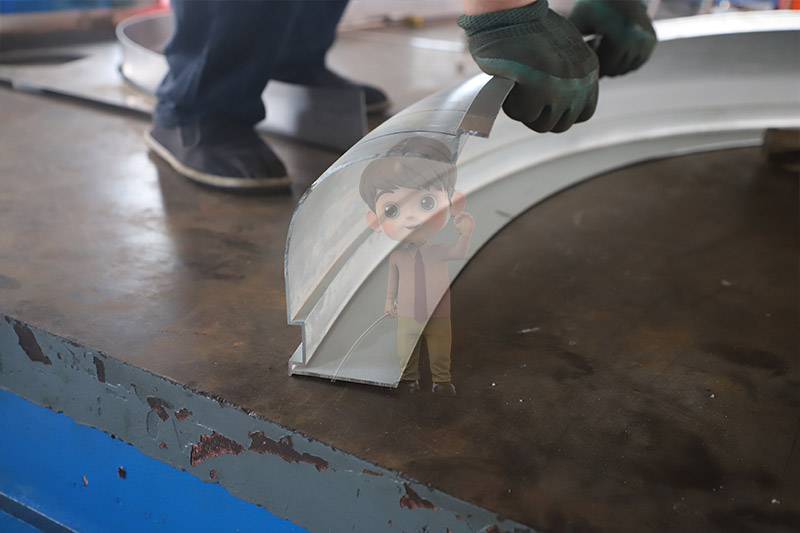
Stretch Bending: Common in aerospace and architectural applications, ensuring minimal springback and accurate profiles.
Understanding the required bending method helps determine the type of equipment—manual, semi-automatic, or fully automated—that best fits production needs.
c. Production Volume and Flexibility
High-volume manufacturing requires equipment capable of continuous operation with minimal downtime, while low-volume or custom projects benefit from machines offering flexibility, programmable bending sequences, and adjustable tooling. Automation options, such as CNC-controlled press brakes, can improve throughput and precision while reducing human error.
d. Precision and Tolerance Requirements
Tolerance specifications are crucial in applications like aerospace or automotive components. Machines with advanced control systems, feedback mechanisms, and adaptive bending features ensure consistent angles and reduce material waste.
2. Essential Equipment Features
To meet the demands of modern aluminum fabrication, selected bending equipment should include the following features:
1.Robust Frame Construction: Ensures stability during high-pressure operations and reduces vibration-induced errors.
2.Adjustable Tooling: Enables compatibility with various aluminum thicknesses and profiles.
3.Digital Control Systems: CNC or programmable logic controllers allow for repeatable, precise bends and can store multiple bending programs.
4.Safety Features: Emergency stops, protective shields, and automated error detection enhance operator safety and prevent equipment damage.
5.Ease of Integration: Equipment that can integrate with upstream and downstream processes, such as cutting or finishing lines, enhances overall production efficiency.
3. Maintenance Strategies for Long-Term Reliability
Even the most advanced bending machines require regular maintenance to sustain performance, reduce downtime, and extend service life. Key maintenance strategies include:
a. Preventive Maintenance
Preventive maintenance involves routine inspections, cleaning, lubrication, and calibration. For aluminum bending equipment, this may include checking hydraulic systems, inspecting die and punch wear, and ensuring alignment of machine components. Scheduled maintenance reduces the likelihood of unexpected failures and ensures consistent bending quality.
b. Lubrication and Wear Management
Proper lubrication of moving parts, including hinges, slides, and hydraulic components, is essential to prevent friction-related wear. High-quality, manufacturer-recommended lubricants should be applied at regular intervals. Additionally, monitoring tooling wear and replacing worn dies or punches prevents surface defects and material scrap.
c. Calibration and Adjustment
Aluminum exhibits springback, meaning it can partially return to its original shape after bending. Regular calibration of back gauges, angle measurement systems, and hydraulic pressure settings is crucial to maintain accuracy and compensate for material springback.
d. Operator Training and Standard Procedures
Well-trained operators can identify early signs of equipment wear or misalignment. Establishing standard operating procedures (SOPs) ensures that machines are used within their design parameters, preventing overloading and mechanical stress.
e. Environmental and Safety Considerations
Maintaining optimal environmental conditions, such as stable temperature and low humidity, helps prevent corrosion or hydraulic fluid degradation. Safety protocols not only protect operators but also preserve the integrity of sensitive components like sensors and control electronics.
4. Integrating Maintenance into Production Workflow
A comprehensive maintenance strategy should be integrated into the production workflow rather than treated as a separate task. This includes:
Scheduled Downtime: Allocating specific time windows for maintenance to avoid interfering with peak production.
Real-Time Monitoring: Using sensors and software to detect abnormal vibrations, temperature, or pressure changes, allowing proactive maintenance.
Documentation: Keeping detailed maintenance logs helps track equipment history, predict future servicing needs, and support warranty claims.
5. Benefits of Proper Selection and Maintenance
Investing time in proper equipment selection and maintenance yields several tangible benefits:
1.Consistent Product Quality: Precision bends and uniformity across production runs reduce scrap and rework.
2.Extended Equipment Lifespan: Regular maintenance prevents premature wear, reducing capital expenditure over time.
3.Operational Efficiency: Minimized downtime and smooth production flow increase throughput.
4.Safety and Compliance: Well-maintained equipment reduces accident risk and ensures compliance with workplace safety standards.
The process of aluminum bending is both technically demanding and strategically important in modern manufacturing. Choosing the right equipment requires careful consideration of material properties, bending methods, production volume, and precision requirements. Complementing selection with a structured maintenance strategy—including preventive care, lubrication, calibration, operator training, and environmental management—ensures reliable performance, high-quality output, and cost-effective operations.
By combining thoughtful equipment selection with proactive maintenance practices, manufacturers can achieve sustainable, high-efficiency aluminum bending operations that meet the rigorous demands of today’s industrial applications, from aerospace and automotive to construction and beyond.
 LIST
LIST27
2025-12
Number of visitors:1
HOT NEWS
-
Tensile Bending Explained: How Precision Shapes Complex Metal Profiles
2026-09-16
-
Custom Aluminum Profile Stretch Bending Solutions
2026-09-01
-
Professional Metal Bending for Custom Fabrication Projects
2026-08-17
-
Aluminum Bending Technology: Processes, Applications, and Industry Advantages
2026-08-01